
The United States industrial and energy sectors are undergoing significant transformation, driven by increased adoption of automation, electrification, and advanced energy management systems. Manufacturing facilities, logistics hubs, and power generation plants are relying on equipment that ensures stable power supply, voltage conversion, and frequency regulation. Reliable power control is essential to maintain operational efficiency, minimize downtime, and optimize performance across various industrial applications.
The Frequency Converter Market Trends in the US is experiencing notable growth, fueled by technological advancements, rising industrial automation, and the demand for energy-efficient solutions. Frequency converters play a crucial role in optimizing motor speed, improving energy utilization, and ensuring sustainable industrial operations.
Download Sample PDF Copy of Report:
https://www.theinsightpartners.com/sample/TIPRE00009354
Key Trends Shaping the US Market
Several trends are driving growth in the US frequency converter industry:
Industrial Automation and Smart Manufacturing: Modern production facilities require precise motor control, energy optimization, and reduced operational downtime. Frequency converters enhance productivity, flexibility, and process efficiency across sectors such as automotive, chemicals, food & beverage, and pharmaceuticals.
Energy Efficiency Initiatives: US industries are increasingly adopting energy-efficient equipment. Frequency converters regulate motor operations according to real-time load requirements, reducing electricity consumption, operational costs, and carbon footprints.
Technological Advancements: Digital control, IoT-enabled monitoring, predictive maintenance, and modular designs are enabling more reliable and efficient converter solutions. Compact, high-capacity, and multi-functional converters allow seamless integration into industrial and energy systems.
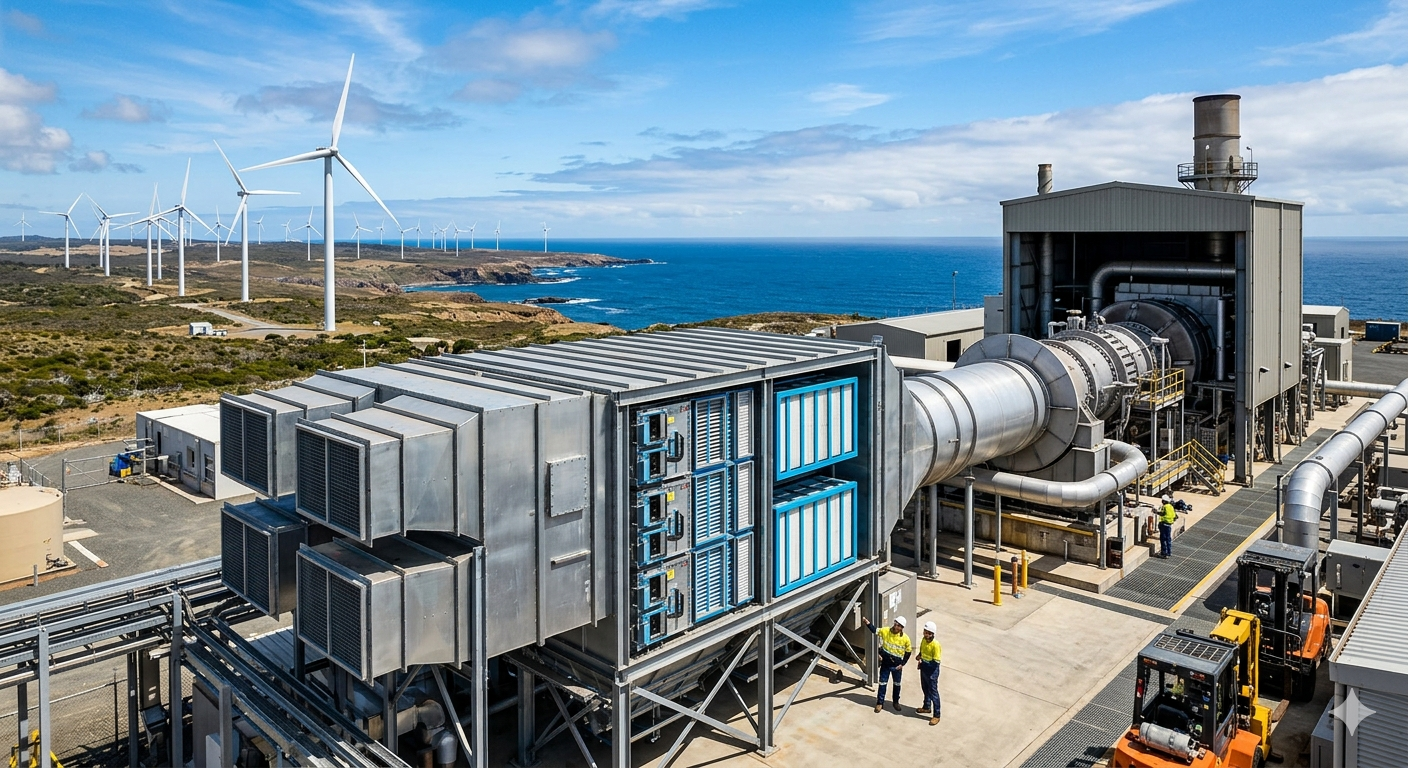
Renewable Energy Integration: Frequency converters facilitate the integration of solar, wind, and other renewable sources, maintaining grid stability and optimizing energy consumption in industrial and power generation applications.
Drivers of Growth
Several factors are fueling the expansion of the US frequency converter market:
Electrification and Smart Equipment Adoption: Electric forklifts, automated conveyors, and other motor-driven equipment require efficient and reliable speed control solutions.
Industrial Modernization: The push for smart factories and automated operations increases demand for advanced, intelligent converters.
Government Regulations and Incentives: Federal and state policies promoting energy conservation, efficiency, and emissions reduction encourage industries to implement modern power control systems.
Product Innovation: Advanced features such as adaptive controls, fast response times, and integrated safety mechanisms are enhancing operational efficiency and reliability.
Applications Across Industries
Frequency converters find applications across a broad spectrum of US industries. In manufacturing, they optimize motor performance and improve production efficiency. In the energy sector, they help maintain grid stability and support renewable energy systems. Marine and transportation industries rely on converters for propulsion efficiency, energy optimization, and reliable power management. Their versatility allows deployment in industries with varying voltage and frequency requirements.
Strategic Partnerships and Market Expansions
Major players are actively pursuing partnerships, collaborations, and expansions to strengthen their presence in the US. Collaborations with technology providers and industrial clients enhance product portfolios, improve service networks, and deliver customized solutions. Investments in R&D, regional expansions, and smart converter technologies enable companies to address increasing industrial demand.
Leading Players
Top companies driving the US frequency converter industry include:
ABB Ltd.
Siemens AG
Schneider Electric SE
Delta Electronics, Inc.
Yaskawa Electric Corporation
Toshiba Corporation
Mitsubishi Electric Corporation
Rockwell Automation, Inc.
Hitachi, Ltd.
Danfoss Group
These companies are spearheading technological innovation, delivering energy-efficient and reliable solutions tailored to US industrial requirements.
Emerging Opportunities
Opportunities in the US market include smart and IoT-enabled converters, ultra-fast charging solutions, and networked monitoring systems. Predictive maintenance, automated control, and real-time monitoring help industries reduce downtime, enhance productivity, and optimize energy consumption.
High-growth potential exists in renewable energy, marine, transportation, and automated manufacturing, where efficient and reliable frequency conversion is essential.
Future Outlook
The US frequency converter industry is expected to maintain robust growth through 2031, driven by industrial electrification, automation, and energy efficiency initiatives. Technological innovation, strategic collaborations, and product development will continue to define the competitive landscape, providing reliable, high-performance, and sustainable solutions for industrial and energy applications.
About Us
The Insight Partners is a leading research and consulting firm delivering comprehensive industry intelligence across energy, technology, manufacturing, and industrial sectors. Our reports offer actionable insights on trends, growth drivers, and competitive dynamics, helping businesses make informed strategic decisions.
Contact Us
For more information or customized research inquiries, please contact:
The Insight Partners
Email: sales@theinsightpartners.com
Website: https://www.theinsightpartners.com
Related Reports
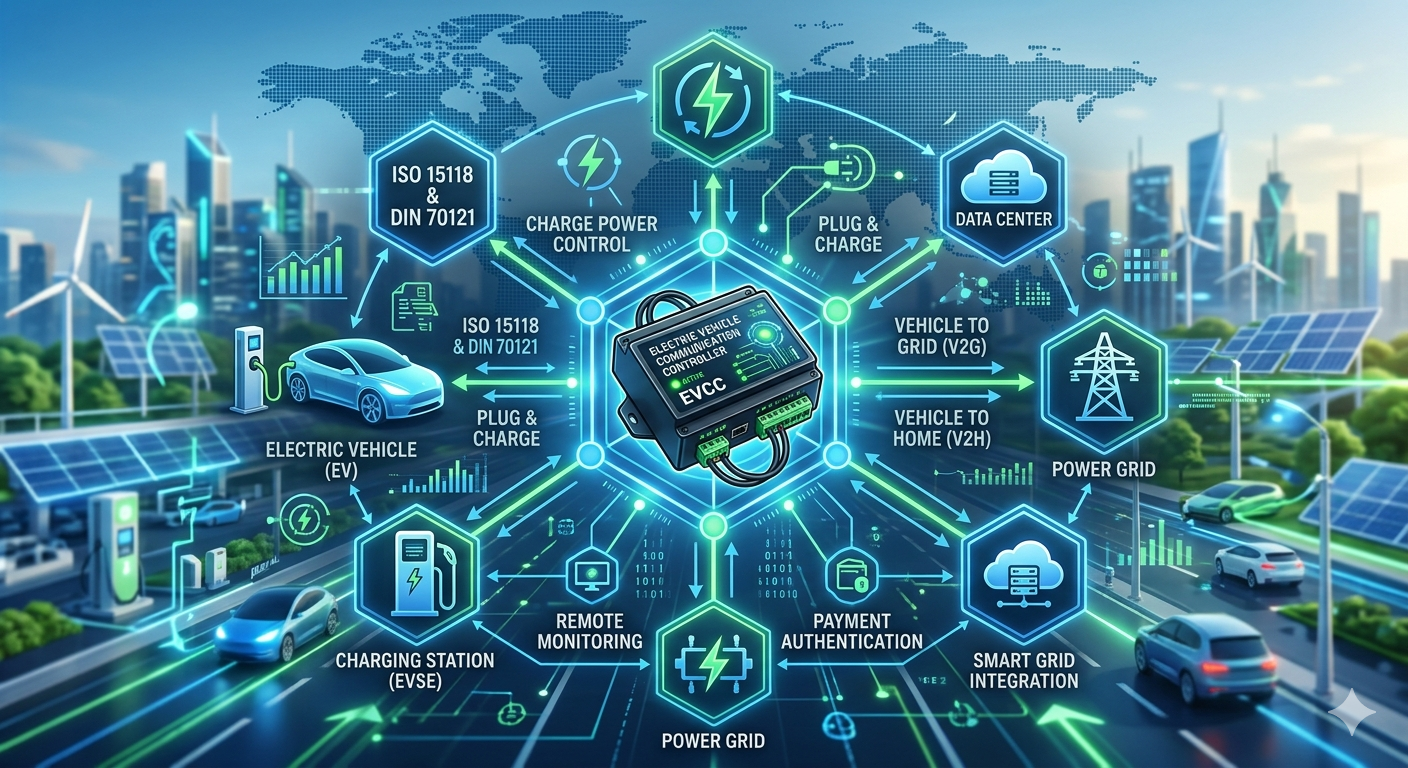
Electric Vehicle Communication Controller Market Expert Analysis by Size and Share
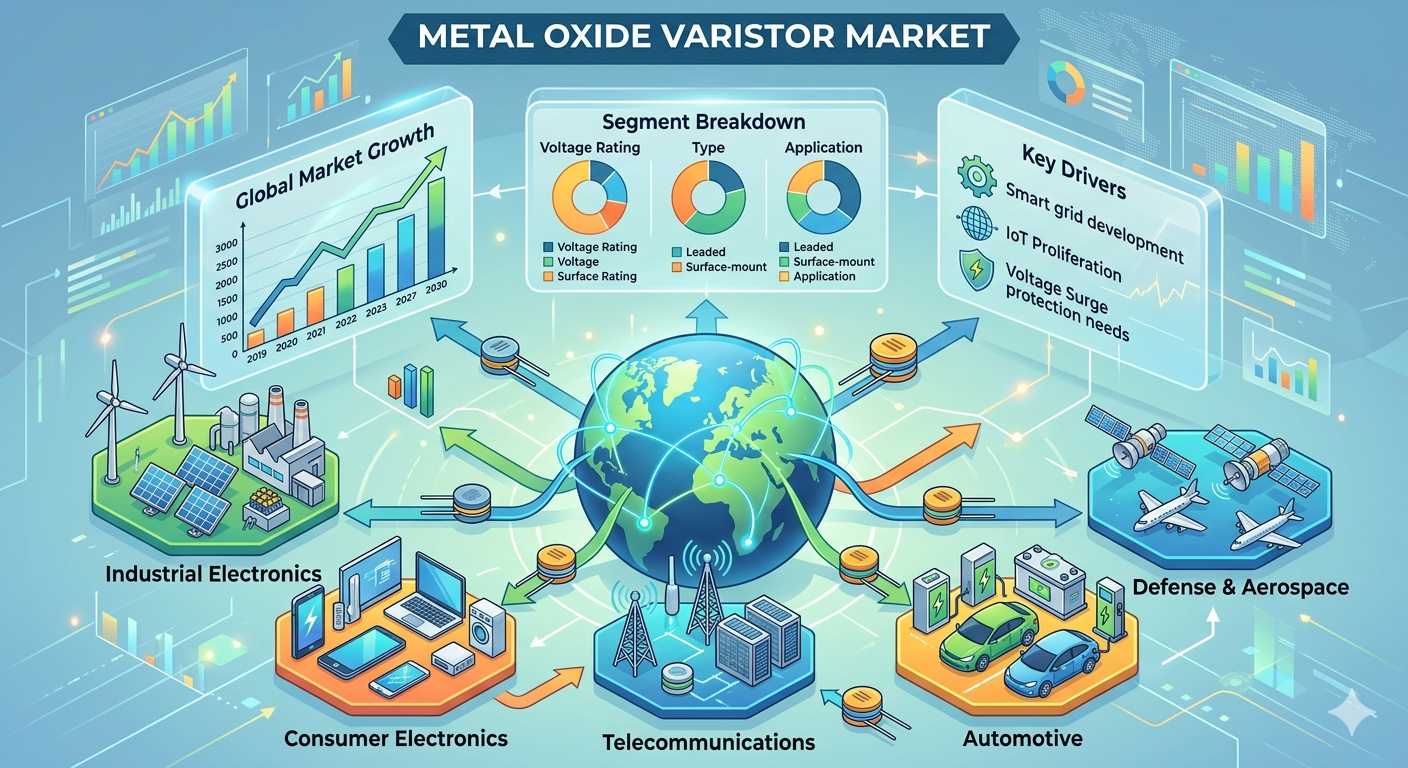
Metal Oxide Varistor Market Expert Analysis by Size and Share and Demand





Write a comment ...